
Dubai’s coastal apartments offer stunning views of the Arabian Gulf, but they also face a hidden enemy: the climate.
For homeowners in waterfront districts, selecting the right wall paint isn’t just about aesthetics—it’s about defense. The unique combination of high humidity, intense saline air, and scorching heat can cause standard paints to peel, bubble, and fade within months.
This guide explores the best moisture-resistant wall paints available in the UAE, helping you choose finishes that withstand the coastal elements while keeping your interiors fresh and healthy.
1. Climate Challenges: Why Standard Paint Fails in Dubai
Living by the coast in Dubai means your walls are constantly exposed to a “marine aerosol” environment. Understanding these challenges is the first step to choosing the right product.
-
High Humidity: During Dubai’s summer, humidity can soar above 90%. Porous, low-quality paints trap this moisture, leading to blistering and the growth of mold behind the paint layer.
-
Saline Air (Salt Attack): Salt crystals carried by the sea breeze can settle on balcony walls and even seep into interiors through open windows. This causes “efflorescence”—white, chalky deposits that push paint off the wall.
-
UV Intensity: The relentless sun can degrade the binder in cheaper paints, causing colors to chalk and fade rapidly, a common sight on south-facing balconies.
2. Primer Selection: The First Line of Defense
Never skip the primer. In a humid coastal environment, the primer acts as the anchor and the shield.
-
Alkali-Resistant Primers: Concrete walls in the UAE are naturally alkaline. Humidity draws these salts to the surface, attacking the paint. An alkali-resistant primer acts as a barrier, preventing this chemical reaction.
-
Moisture-Wicking Primers: For areas like bathrooms or walls facing the sea, look for primers specifically labeled “moisture-resistant” or “sealer-primer.”
-
Sealing Power: A high-quality primer seals porous surfaces effectively, ensuring the topcoat adheres without peeling, regardless of the humidity levels during application.
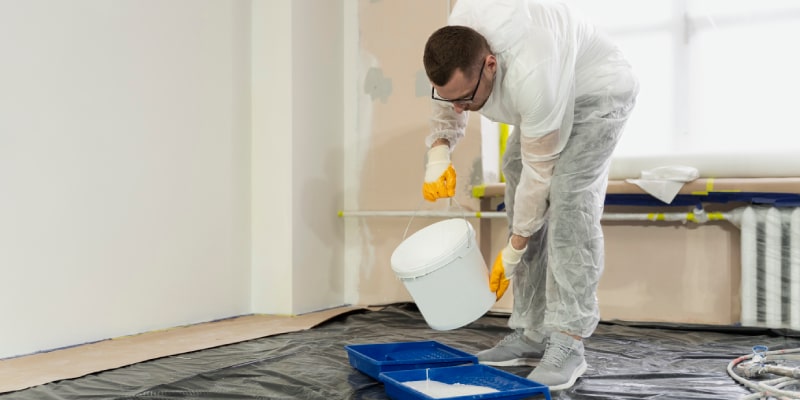
3. Paint Types: Acrylic vs. Latex vs. Epoxy
Not all paints are created equal. Here is how different chemical bases perform in Dubai’s coastal climate:
1. 100% Acrylic Latex (Best Overall)
-
Why it works: High-quality acrylic paints are “breathable,” meaning they allow trapped moisture to escape as vapor without blistering the paint film. They are also flexible, expanding and contracting with temperature shifts.
-
Best for: Living rooms, bedrooms, and sea-facing walls where temperature fluctuation is common.
2. Vinyl Silk / Latex
-
Why it works: These offer a “wipeable” surface that resists dirt pickup. However, lower-quality vinyls can sometimes trap moisture if the wall isn’t perfectly dry before painting.
-
Best for: Hallways, corridors, and high-traffic dry areas.
3. Epoxy-Based Paints
-
Why it works: Epoxy creates a hard, waterproof shell. It is impervious to water and highly resistant to chemicals, though it can yellow under direct UV light.
-
Best for: Bathrooms, utility rooms, or indoor service areas with zero natural light. Avoid using this on sun-exposed balconies.
4. Anti-Mold & Waterproof Coatings
Mold is a frequent visitor in humid apartments, especially around AC vents and in bathrooms.
-
Antimicrobial Technology: Modern premium paints now come infused with silver ion technology or biocides that actively kill mold spores on contact. Look for cans labeled “Hygiene” or “Anti-Fungal.”
-
Waterproofing: For balconies, you need an “elastomeric” exterior paint. These coatings are thick and rubbery, capable of bridging hairline cracks (common in new builds) to stop water ingress.
What to look for:
-
Fungus Resistance: Ensure the technical datasheet mentions resistance to fungal and algal growth.
-
Scrub Resistance: In humid areas, you will need to clean walls more often; ensure the paint is rated for heavy scrubbing.
5. Eco-Friendly Options: Breathe Easier
With windows often closed for AC, indoor air quality (IAQ) is critical. Volatile Organic Compounds (VOCs) are chemicals that off-gas from paint, causing headaches and respiratory issues.
-
Low-VOC / Zero-VOC: Look for paints labeled with international environmental certifications or local “Green Building” approvals. These formulations use water as a carrier rather than solvents.
-
Breathable Formulations: Clay-based or high-quality eco-acrylics improve IAQ by regulating humidity and preventing moisture buildup that leads to mold.
Benefits:
-
Virtually odorless application (you can sleep in the room the same day).
-
Reduced risk of respiratory irritation.
6. Local Market Insights: Categories & Sourcing
Knowing what to buy is half the battle; knowing where to get it and how to choose the right supplier is the rest.
Product Categories
-
Premium International Brands: These are often manufactured locally under license but adhere to strict global standards. They offer the widest color ranges and specific “climate-shield” technologies.
-
Local Industrial Brands: Manufactured specifically for the Gulf climate, these brands are often used by contractors. They offer excellent durability and value, though the color palette might be more limited compared to premium lines.
-
Budget Options: Generally not recommended for coastal properties as they lack the high binder content needed to resist salt and humidity.
Cost Considerations
-
Premium Washable/Hygiene Paints: Expect to pay a premium for these. They are sold in smaller quantities and are dense with high-quality pigments and binders.
-
Standard Emulsions: These are significantly cheaper and sold in large drums, but may require more coats to achieve full opacity and offer less protection against moisture.
Where to Buy
-
Home Improvement Malls: Best for DIYers looking for specific colors, small quantities, and mixing services.
-
Industrial Areas: Specialized paint suppliers in Dubai’s industrial zones often sell high-grade professional paints in bulk. This is the best route if you are repainting an entire apartment and want professional-grade durability.
7. Maintenance Tips for Coastal Homes
Extend the life of your paint job with these simple maintenance habits:
-
The “Salt Wipe” (Balconies): Once a month, wipe down your balcony walls with a damp cloth to remove invisible salt layers. This prevents corrosion and paint chalking.
-
Check AC Vents: Condensation around AC ducts often causes paint peeling. If you see this, fix the insulation in the duct before repainting, or the paint will peel again in weeks.
-
Immediate Touch-ups: Keep a small jar of your original paint. In humid climates, a small chip exposes the plaster to moisture, which can spread behind the paint and cause large flakes to fall off.
8. Conclusion
For coastal apartments in Dubai, paint is more than just color; it is a shield against the harsh marine environment.
Quick Recap for Homeowners:
-
Interior Living Areas: Go for 100% Acrylic Latex for breathability and rich color retention.
-
Bathrooms/Kitchens: Invest in Anti-Mold / Hygiene coatings to prevent fungal growth.
-
Balconies: Use Elastomeric or Weather-Resistant exterior paints to handle the sun and salt.
By choosing the right Dubai moisture resistant wall paints and preparing your walls with a high-quality alkali-resistant primer, you ensure your home remains a pristine sanctuary against the heat and humidity for years to come.
Planning a renovation? Always test a sample patch on your wall and observe it for 48 hours to see how it reacts to the specific lighting and humidity of your apartment before committing to the full bucket.
Protect Your Coastal Apartment
Protect your coastal apartment in Dubai with moisture-resistant wall paints.
Contact Fardo Technical Services today for expert advice and a free consultation.

No comment